

Introduction
Primitive reflexes are natural, automatic movements that every baby is born with. You may notice things like a baby grasping a finger tightly, turning the head in response to movement, or startling easily. These reflexes are important in the early months of life because they support survival and early development.
As the child grows, these reflexes are expected to gradually fade as the brain takes over voluntary control of movement. In some children, however, this integration does not happen completely or on time. When that happens, it can subtly affect posture, coordination, attention, and overall motor development.
When reflexes persist
In clinical practice, parents rarely report “reflex issues”. Instead, they notice everyday challenges such as the following:
- Frequent clumsiness or falls
- Difficulty with handwriting or pencil control
- Slouched sitting posture
- Poor focus in classroom tasks
- Delayed coordination in sports or play
These signs may sometimes be linked to retained primitive reflexes affecting motor control and neurological maturity.
How physiotherapy helps
Paediatric physiotherapy focuses on how a child moves, learns, and interacts with their environment. At Elevate Kids Clinic, assessment includes posture, balance, coordination, and functional movement patterns to understand the root cause of the difficulty.
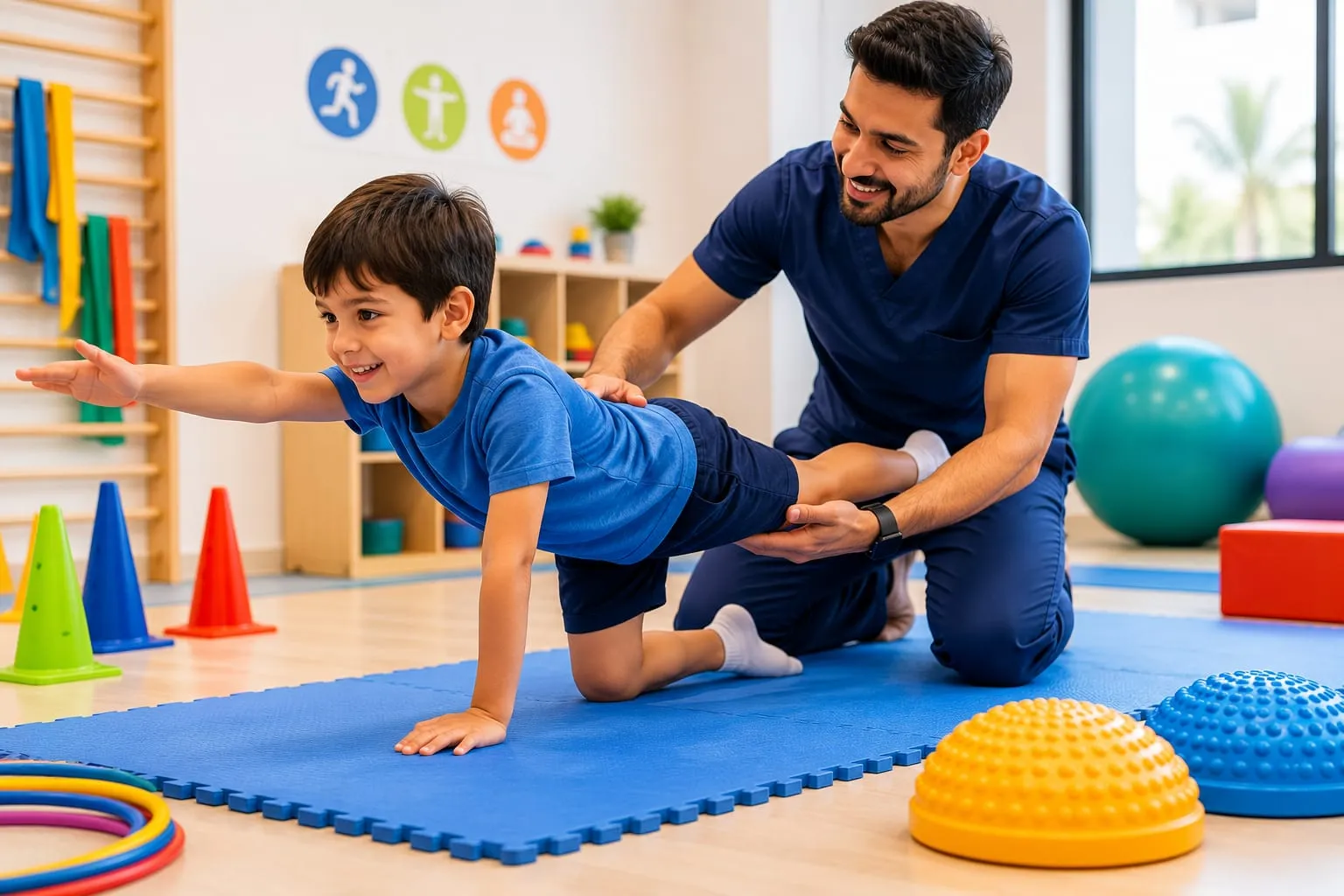
Treatment is always active and play-based. Interventions may include:
- Reflex integration exercises
- Balance and coordination activities
- Core strengthening
- Crawling and cross-body movement training
- Functional play tasks that improve motor learning
The aim is not just exercise, but helping the brain build better movement control through structured activity.
Conclusion
Primitive reflexes are normal in early infancy, but they should naturally integrate as the nervous system matures. When they persist, they can affect a child’s daily function and learning.
With early paediatric physiotherapy intervention, these movement patterns can be improved, supporting better development, confidence, and independence.
By Shaunaq Pandey | Physiotherapist