


Every child develops at their own pace, and differences in development are completely normal. However, when certain challenges begin to affect everyday life, early support can make a meaningful difference.
Parents often search for “Does my child need ABA therapy?” or “Signs my child needs behaviour therapy in Dubai.” While only a professional assessment can determine the most appropriate intervention, there are several signs that may indicate your child could benefit from additional support.
1. Difficulty Communicating Wants and Needs
Your child may:
- Use very few words
- Pull your hand instead of asking
- Become frustrated when trying to communicate
- Repeat words without using them meaningfully
Building functional communication is often one of the first priorities in ABA therapy.
2. Frequent Meltdowns or Challenging Behaviour
Children communicate through behaviour when they cannot effectively express themselves.
If your child regularly:
- Throws objects
- Cries excessively
- Hits or bites
- Drops to the floor
- Runs away from activities
there may be underlying communication, sensory, or learning needs that can be addressed through skill-building.
3. Difficulty Following Simple Instructions
If your child struggles with everyday directions like:
- “Come here”
- “Put your shoes on”
- “Give me the ball”
they may benefit from structured teaching that builds receptive language and attention skills.
4. Limited Play Skills
Play is one of the most important ways children learn.
Children who repeatedly line up toys, watch objects spin, or have difficulty engaging with others may benefit from support in developing flexible and meaningful play skills.
5. Challenges with Social Interaction
Some children:
- Prefer to play alone
- Avoid eye contact
- Have difficulty taking turns
- Do not respond consistently when their name is called
ABA therapy can help develop social engagement while respecting each child’s individual personality and comfort level.
6. Difficulty with Transitions
Moving from one activity to another can be stressful for many children.
If your child becomes extremely distressed when routines change or activities end, therapy can help build flexibility and coping strategies.
7. Delays in Independence Skills
Children benefit from learning everyday skills such as:
- Dressing
- Washing hands
- Eating independently
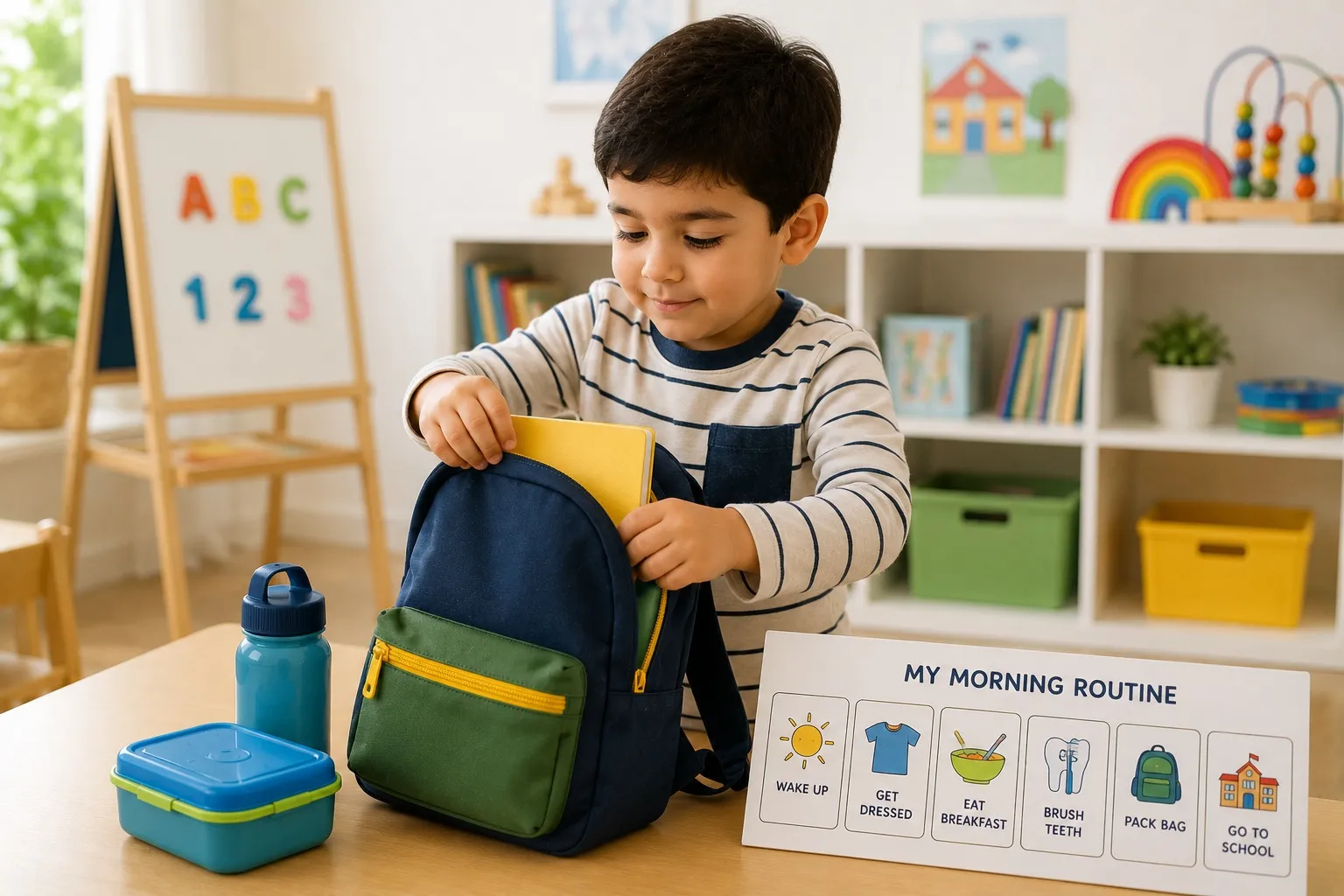
- Packing a school bag
- Tidying up
ABA therapy breaks these skills into manageable steps while building confidence.
8. Difficulty Participating in Nursery or School
Teachers may report challenges with:
- Sitting during group activities
- Following routines
- Sharing materials
- Participating with peers
School readiness is about much more than academics—it includes communication, attention, regulation, and independence.
9. Repetitive Behaviours Interfere with Learning
Many repetitive behaviours are natural and meaningful. However, if a child is unable to engage in daily activities because of repetitive patterns, therapy can help expand flexibility while respecting the child’s preferences.
10. You Have a Gut Feeling Something Isn’t Quite Right
Parents know their children best.
If you find yourself comparing your child to peers or feeling concerned about communication, learning, or behaviour, seeking an assessment is never harmful. Early guidance provides reassurance, practical strategies, and, when needed, timely intervention.
Every Child Deserves Individualized Support
At Elevate Kids Clinic, we focus on building communication, independence, social participation, and confidence through evidence-based, family-centred, and neurodiversity-respecting ABA therapy.
Early support isn’t about changing who a child is—it’s about giving them the skills and opportunities to thrive in their own unique way.
By Husna Syed | Behavior Analyst