ABA Therapy in Dubai: How It Helps Children Build Everyday Skills and Confidence

When parents first hear the term ABA therapy, they often have many questions.
Is ABA only for autism? Will my child be forced to behave differently? How do I know if my child needs it?
At Elevate Kids Clinic, we believe that quality ABA therapy is about empowering children with meaningful life skills while respecting their individuality, strengths, and unique way of experiencing the world.
What is ABA Therapy?
Applied Behaviour Analysis (ABA) is an evidence-based approach that helps children learn skills that improve their participation in everyday life.
Rather than focusing on “fixing” a child, modern ABA supports the development of practical skills such as:
- Communication
- Play and social interaction
- Daily living skills
- Emotional regulation
- Attention and learning
- Independence
- School readiness
Every program is individualized, meaning therapy is designed around the child’s goals, interests, strengths, and family priorities.
Who Can Benefit from ABA Therapy?
Many parents searching for ABA therapy in Dubai assume it is only for children with autism.
While ABA is widely used to support autistic children, it can also benefit children who experience:
- Delayed communication
- Difficulty following routines
- Challenges with transitions
- Limited play skills
- Attention difficulties
- Social interaction challenges
- Difficult behaviours that interfere with learning
- School readiness concerns
The goal is always to build skills that help children participate more successfully at home, in school, and within their community.
Signs Your Child May Benefit from Behaviour Therapy
Every child develops differently, but you may wish to seek an assessment if your child:
- Has frequent meltdowns that are difficult to manage
- Has difficulty communicating wants and needs
- Avoids interacting with other children
- Struggles to follow simple instructions
- Finds transitions between activities very challenging
- Has difficulty sitting for learning activities
- Uses behaviours that interfere with participation or safety
- Needs additional support to develop independence
Early support often makes it easier for children to develop new skills while reducing frustration for both children and families.
What Does ABA Therapy Look Like?
Gone are the days when therapy meant sitting at a table completing repetitive tasks.
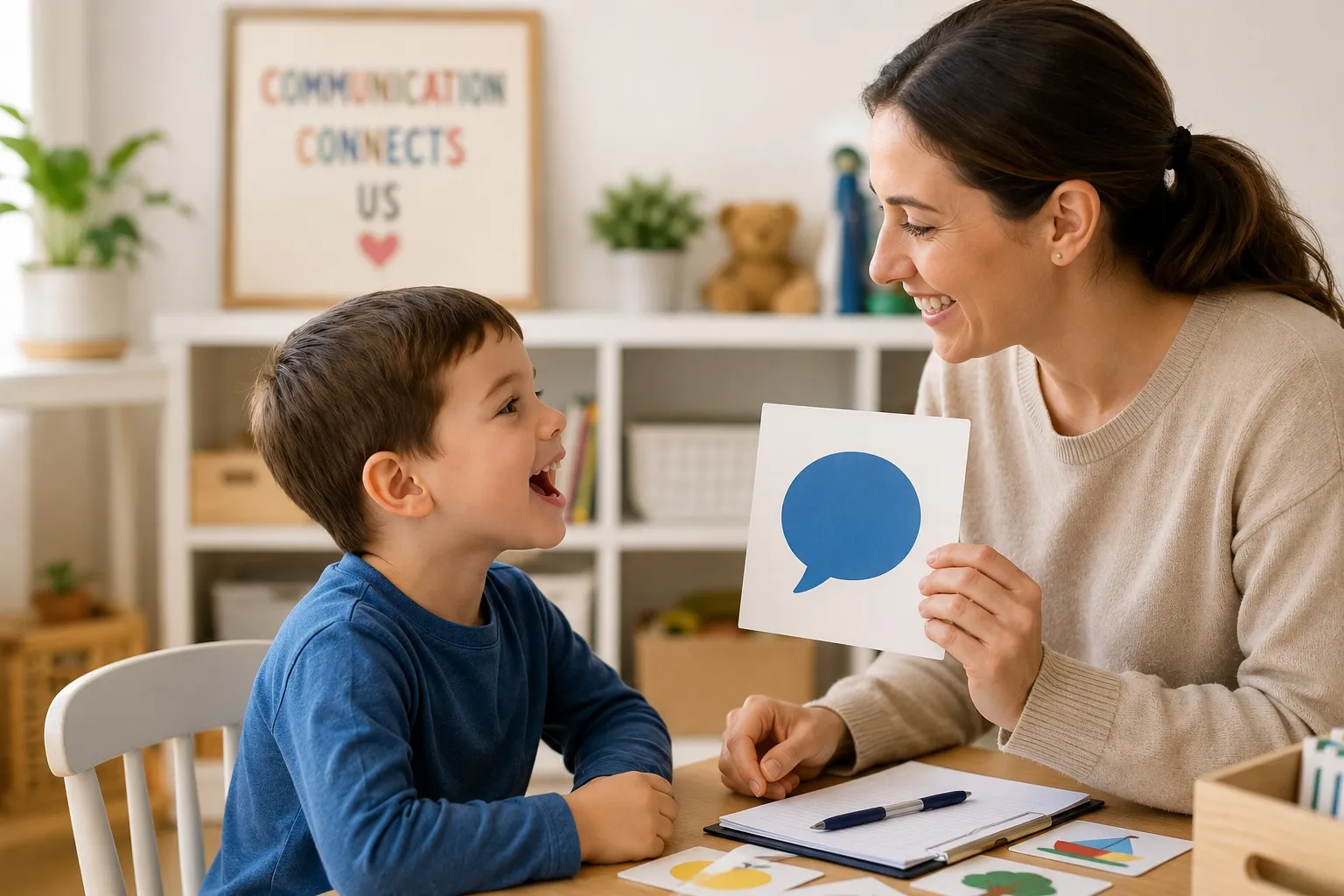
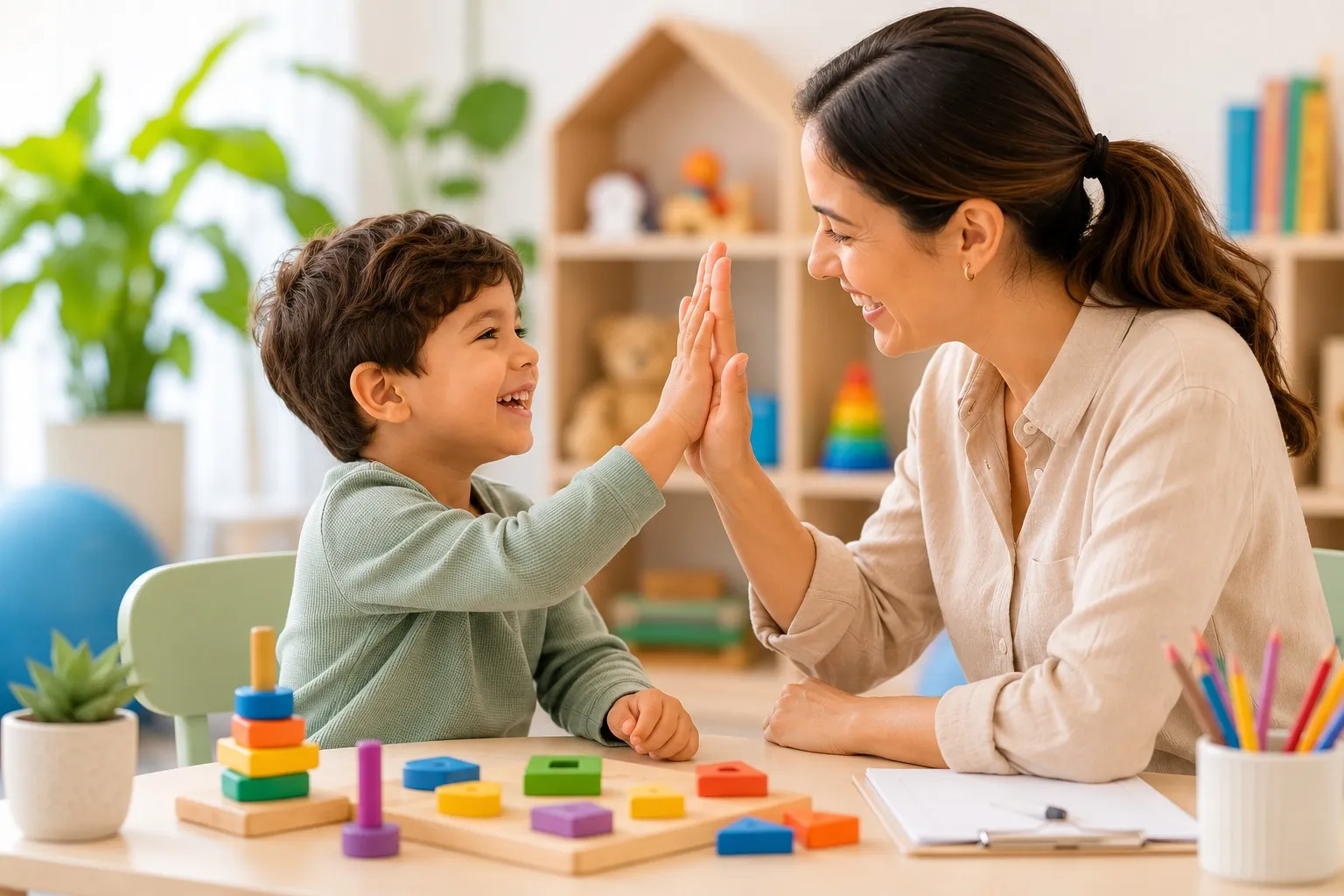
Modern ABA is engaging, child-centred, and based around meaningful activities.
Sessions may include:
- Play-based learning
- Natural environment teaching
- Choice making
- Games and movement activities
- Story time
- Functional communication practice
- Daily routines such as dressing, eating, or tidying up
- Social interaction with peers
Children learn best when skills are practiced in real-life situations, making therapy both enjoyable and functional.
A Neurodiversity-Respecting Approach
At Elevate Kids Clinic, we believe that every child deserves support that values who they are.
Our approach focuses on:
- Building communication rather than compliance
- Teaching flexibility without masking individuality
- Supporting emotional regulation
- Encouraging independence
- Respecting sensory needs
- Working collaboratively with families
Success is not measured by making children appear “typical.” Instead, success is measured by helping children participate confidently and meaningfully in their own lives.
Why Early Intervention Matters
Research consistently shows that early intervention can significantly improve long-term outcomes in communication, learning, independence, and social participation.
Supporting children early allows them to build strong foundational skills that benefit them throughout childhood and beyond.
Even small improvements in communication, attention, or independence can have a lasting impact on family life and school success.
ABA Therapy and School Readiness
Many families seek ABA therapy to prepare their children for nursery or mainstream school.
School readiness is about much more than learning letters and numbers.
Children also benefit from developing:
- Listening skills
- Group participation
- Waiting and turn taking
- Following classroom routines
- Functional communication
- Emotional regulation
- Independent self-care skills
- Flexible thinking
These foundational abilities help children participate more successfully in educational environments and everyday life.
Family Partnership Makes the Difference
Parents are the most important part of any therapy journey.
At Elevate Kids Clinic, families are involved throughout the process, with practical strategies that can be used at home, during community outings, and within everyday routines.
When therapy extends beyond the clinic into real life, children have more opportunities to practice and generalize their skills naturally.
If you are concerned about your child’s development, communication, learning, or behaviour, an early assessment can provide clarity and guidance.
Every child deserves the opportunity to develop skills that foster confidence, independence, and meaningful participation.
By Husna Syed | Behavior Analyst